


Introduction
In today’s fast-paced world, staying competitive requires continuous learning and skill enhancement. Whether you are a beginner starting your career or an intermediate professional aiming to advance, skill development courses offer the tools and knowledge necessary to succeed. These courses not only provide technical knowledge but also improve soft skills, problem-solving abilities, and adaptability in the workplace.
With a wide range of online and offline options, learners can choose courses in areas such as technology, communication, management, creativity, and more. Engaging in development programs helps individuals stay relevant, increase their confidence, and open doors to new career opportunities. By dedicating time to learn new skills, you are investing in your future, making yourself more valuable to employers and more capable of achieving personal goals.
From coding bootcamps to leadership workshops, these courses cater to diverse learning needs. Beginners gain foundational knowledge, while intermediate learners can refine existing skills and explore advanced topics. With practical exercises, interactive content, and guidance from industry experts, skill development courses ensure that learning is meaningful and applicable to real-world scenarios.
In this article, we will explore what skill development courses are, why they are essential, and provide a detailed step-by-step guide to choosing and benefiting from them. We will also discuss the advantages, potential risks, common mistakes, and expert tips to maximize the impact of your learning journey. By the end, you will have a comprehensive roadmap to harness the full potential of skill development courses.
What is Skill Development Courses?
Skill development courses are structured learning programs designed to enhance specific abilities, knowledge, and competencies in a targeted field. They can cover technical skills such as coding, graphic design, data analysis, or soft skills like communication, leadership, and critical thinking.
These courses can be delivered online, in classrooms, or through workshops, seminars, and hands-on training. They often include interactive content, exercises, assessments, and mentorship to ensure learners can apply their knowledge effectively.
Skill development courses cater to different levels of expertise. Beginners can acquire fundamental skills to start their careers, while intermediate learners can enhance their proficiency and prepare for leadership or specialized roles. By focusing on practical application, these courses bridge the gap between theoretical knowledge and real-world demands.
Why is Skill Development Courses Important?
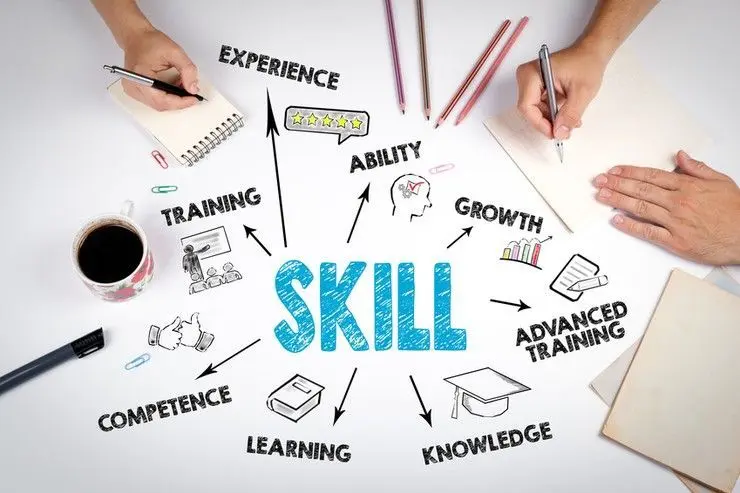
Skill development courses are essential for personal and professional growth. Here’s why they matter:
- Stay Competitive: In a rapidly evolving job market, continuous learning helps you stay ahead of peers.
- Increase Employability: Employers value candidates with updated skills and practical knowledge.
- Boost Confidence: Learning new abilities enhances self-assurance in handling professional tasks.
- Adapt to Change: Skill development equips individuals to handle new technologies, processes, and challenges.
- Career Growth: Advanced skills open doors to promotions, higher salaries, and leadership roles.
- Personal Growth: Beyond professional benefits, learning fosters creativity, problem-solving, and critical thinking.
By investing in skill development courses, individuals future-proof their careers and remain relevant in an increasingly competitive environment.
Detailed Step-by-Step Guide
Step 1: Identify Your Goals
Before choosing a course, define your learning objectives. Are you looking to improve technical skills, soft skills, or industry-specific expertise? Clear goals help you select the most suitable course.
Step 2: Research Available Courses
Explore online platforms, local training centers, and universities offering relevant courses. Consider course duration, cost, delivery method, and instructor credentials.
Step 3: Assess Your Current Skill Level
Determine whether you are a beginner, intermediate, or advanced learner. Many courses offer pre-assessments to help you choose the right level.
Step 4: Choose a Learning Mode
Decide between online courses, in-person classes, workshops, or blended learning. Online courses provide flexibility, while in-person sessions offer hands-on experience and networking opportunities.
Step 5: Check Course Content
Ensure the curriculum covers essential topics and includes practical exercises, case studies, and real-world examples.
Step 6: Enroll and Commit
Register for the course and dedicate time regularly for learning. Consistency is key to mastering new skills.
Step 7: Apply What You Learn
Practice your skills through projects, assignments, or real-world tasks. Application reinforces learning and builds confidence.
Step 8: Seek Feedback
Engage with instructors, mentors, or peers to gain constructive feedback and improve your performance.
Step 9: Evaluate Progress
Track your improvement and revisit challenging topics. Adjust your learning approach as needed.
Step 10: Advance to Next Level
Once you complete a course, explore advanced programs or complementary skills to continue your growth journey.
Benefits of Skill Development Courses
- Enhance career prospects and employability
- Improve technical and soft skills simultaneously
- Boost confidence and self-esteem
- Enable adaptability to changing industries
- Facilitate networking with professionals and peers
- Encourage lifelong learning and personal growth
- Increase chances of promotions and higher income
- Offer practical, hands-on experience
Disadvantages / Risks
- Time-consuming, requiring consistent effort
- Can be expensive, especially professional certification courses
- Not all courses provide quality content or updated material
- Risk of information overload if pursuing multiple courses simultaneously
- Lack of motivation or accountability may hinder completion
- May not guarantee immediate career advancement without practical application
Common Mistakes to Avoid
- Choosing courses without clear goals
- Ignoring course reviews or instructor credibility
- Overloading with too many courses at once
- Failing to apply learned skills practically
- Skipping assessments or feedback opportunities
- Selecting courses solely based on popularity, not relevance
- Neglecting soft skills development alongside technical skills
FAQs
1. How do I choose the right skill development course?
Identify your career goals, assess your current skills, and research courses that align with your objectives. Consider duration, content, instructor expertise, and mode of delivery.
2. Can beginners benefit from skill development courses?
Absolutely. Beginners can build foundational knowledge, gain confidence, and prepare for entry-level roles in their chosen field.
3. Are online courses as effective as in-person courses?
Yes, if they include interactive content, practical exercises, and opportunities for feedback. Online courses offer flexibility, while in-person sessions provide hands-on experience.
4. How much time should I dedicate to learning?
Consistency matters more than intensity. Dedicate at least 3–5 hours per week and practice regularly to reinforce learning.
5. Will completing a course guarantee a job?
While courses enhance employability, practical application, networking, and continuous improvement are essential for securing opportunities.
6. What skills are most in-demand today?
Skills like digital marketing, data analysis, programming, leadership, communication, and problem-solving are highly sought after across industries.
7. Can I take multiple courses at the same time?
Yes, but avoid overloading yourself. Focus on one or two courses to ensure comprehension and effective skill application.
Expert Tips & Bonus Points
- Set Realistic Goals: Break down learning objectives into manageable milestones.
- Engage in Communities: Join online forums or local groups to exchange knowledge and seek support.
- Practice Regularly: Implement skills through real projects, freelancing, or volunteering.
- Track Progress: Maintain a learning journal to monitor improvement and areas needing attention.
- Combine Skills: Merge technical and soft skills for a more versatile skillset.
- Seek Mentorship: Experienced professionals can guide your learning path and provide valuable insights.
Conclusion
Skill development courses are a vital investment for anyone looking to enhance their professional and personal growth. They provide structured learning, practical experience, and a pathway to achieving career goals. By choosing the right courses, committing to consistent learning, and applying knowledge effectively, learners can stay competitive in an ever-evolving job market.
Beginners can acquire essential foundations, while intermediate learners can refine expertise and explore advanced topics. The benefits are extensive—ranging from increased employability and confidence to adaptability and lifelong learning. While there are challenges, careful planning, goal setting, and dedicated practice can mitigate risks and maximize outcomes.
Ultimately, skill development is not just about acquiring new abilities; it is about fostering a mindset of continuous improvement and resilience. By embracing this journey, individuals unlock their potential, achieve professional success, and enjoy personal fulfillment.
