

Introduction
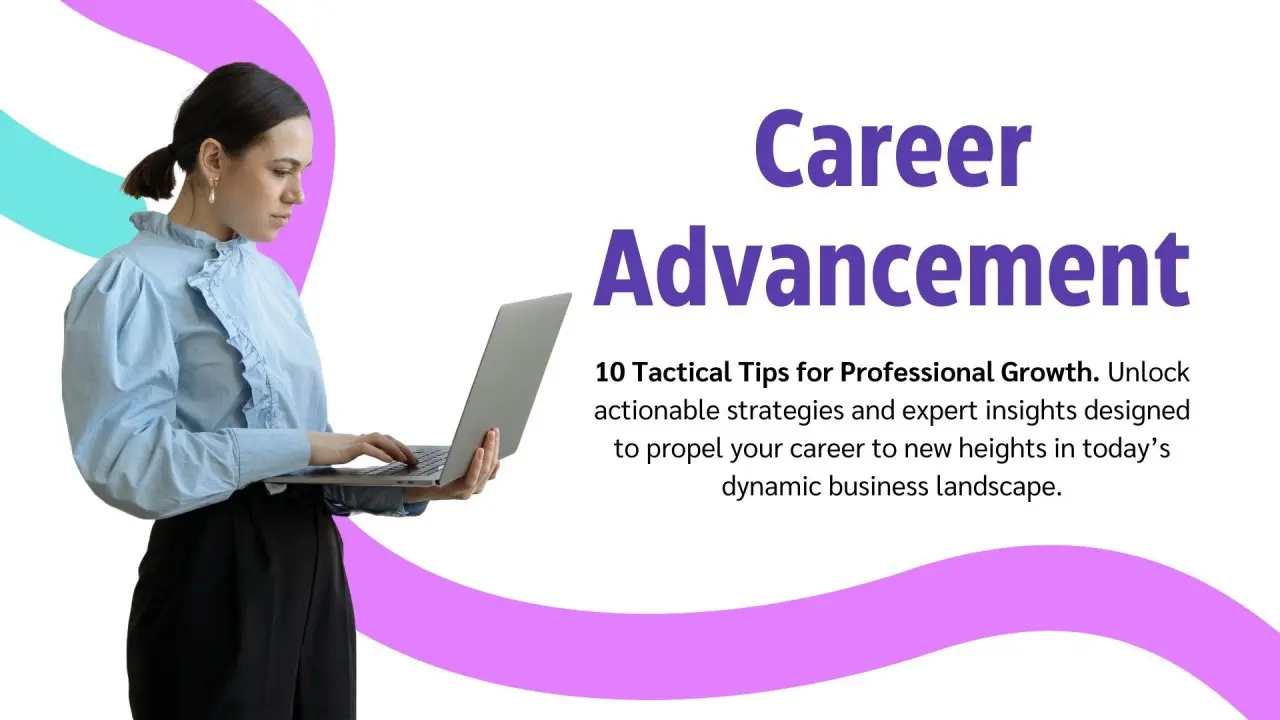
In today’s fast-evolving professional landscape, career advancement is no longer defined solely by promotions or salary increases. It involves continuous learning, strategic positioning, skill development, and personal growth. Professionals across industries are seeking smarter ways to progress, remain relevant, and achieve long-term success.
To provide practical, real-world guidance, this article is structured as an expert-style interview and Q&A—offering insights, strategies, and actionable steps to help you move forward in your career with clarity and confidence.
Understanding Career Advancement: What Does It Really Mean?
Q: How would you define career advancement in today’s context?
Expert Answer:
Career advancement today is a multidimensional process. It includes:
- Vertical growth – Promotions and leadership roles
- Horizontal growth – Expanding skills across different functions
- Personal development – Improving soft skills and emotional intelligence
- Professional recognition – Building authority and credibility in your field
It’s less about titles and more about value creation and long-term impact.
Q: Why is career advancement important for professionals?
Expert Answer:
Career growth ensures:
- Long-term financial stability
- Job satisfaction and motivation
- Increased professional opportunities
- Stronger personal brand
Without intentional advancement, professionals risk stagnation in a highly competitive environment.
Key Strategies for Career Advancement
1. Develop In-Demand Skills
Continuous learning is essential. Focus on:
- Technical skills relevant to your industry
- Digital literacy and emerging technologies
- Communication and leadership abilities
- Problem-solving and critical thinking
Pro Tip: Stay updated through online courses, certifications, and industry events.
2. Build a Strong Professional Network
Networking opens doors that skills alone cannot.
Effective networking strategies:
- Attend industry events and webinars
- Connect with peers on professional platforms
- Maintain relationships with mentors and colleagues
- Offer value before asking for help
3. Set Clear Career Goals
Without direction, growth becomes random.
Goal-setting framework:
- Define short-term (6–12 months) objectives
- Plan long-term (3–5 years) milestones
- Align goals with personal values
- Regularly review and adjust plans
4. Seek Feedback and Mentorship
Growth requires perspective.
Ways to improve through feedback:
- Ask supervisors for performance reviews
- Identify strengths and weaknesses
- Work with mentors for career guidance
- Accept constructive criticism positively
5. Take Initiative at Work
Visibility matters.
Stand out by:
- Volunteering for new projects
- Solving problems proactively
- Sharing innovative ideas
- Demonstrating leadership qualities
Overcoming Common Career Challenges
Q: What are the biggest obstacles to career advancement?
Expert Answer:
Some common barriers include:
- Lack of clarity about career goals
- Limited access to opportunities
- Fear of failure or change
- Poor networking habits
- Skill gaps
Q: How can professionals overcome these challenges?
Expert Answer:
Here are practical solutions:
- Self-assessment: Understand your strengths and interests
- Upskilling: Invest in learning continuously
- Confidence building: Take calculated risks
- Strategic planning: Map out your career path
- Resilience: Stay consistent despite setbacks
The Role of Personal Branding in Career Advancement
Q: How important is personal branding?
Expert Answer:
Personal branding is critical. It defines how others perceive your professional value.
Key Elements of a Strong Personal Brand
- Clear professional identity
- Consistent online presence
- Thought leadership (articles, posts, insights)
- Strong communication skills
Practical Tips to Build Your Brand
- Optimize your professional profiles
- Share industry insights regularly
- Highlight achievements and skills
- Engage with relevant communities
Work-Life Balance and Career Growth
Q: Can career advancement affect work-life balance?
Expert Answer:
Yes, but it doesn’t have to be negative. Growth should be sustainable.
How to Maintain Balance
- Prioritize tasks effectively
- Set boundaries between work and personal life
- Avoid burnout by taking breaks
- Focus on productivity, not just hours worked
Future Trends in Career Advancement
Q: What trends will shape career growth in the future?
Expert Answer:
Several trends are transforming career paths:
- Remote and hybrid work models
- Increased demand for digital skills
- Gig economy and freelancing
- Emphasis on adaptability and lifelong learning
- Automation and AI-driven roles
How to Stay Ahead
- Embrace technology
- Stay flexible in your career choices
- Continuously upgrade skills
- Be open to new opportunities
Actionable Roadmap for Career Advancement
Step-by-Step Plan
- Assess your current position
- Define clear career goals
- Identify skill gaps
- Create a learning plan
- Expand your professional network
- Track progress regularly
- Adapt to changes in your industry
FAQs About Career Advancement
1. What is the fastest way to advance in a career?
Focus on high-demand skills, build strong networks, and consistently deliver exceptional results.
2. How important is education for career growth?
Education is important, but continuous learning and practical experience matter more in the long run.
3. Can changing jobs help in career advancement?
Yes, strategic job changes can provide better opportunities, higher salaries, and skill growth.
4. How do I know if I’m ready for a promotion?
You’re ready if you consistently exceed expectations, take initiative, and demonstrate leadership skills.
5. What role does networking play in career success?
Networking helps you discover opportunities, gain insights, and build valuable professional relationships.
6. How can introverts succeed in career advancement?
By leveraging strengths like deep focus, strong listening skills, and building meaningful one-on-one connections.
7. Is career advancement possible without a mentor?
Yes, but having a mentor accelerates growth by providing guidance, feedback, and direction.
Conclusion
Career advancement is a continuous journey that requires planning, adaptability, and commitment. It’s not just about climbing the corporate ladder—it’s about becoming a more capable, confident, and valuable professional.
By focusing on skill development, networking, personal branding, and strategic decision-making, you can unlock new opportunities and achieve meaningful growth in your career.
Take action today: define your goals, invest in yourself, and move forward with purpose.
